a space used for theory inquiry thoughts and assignments
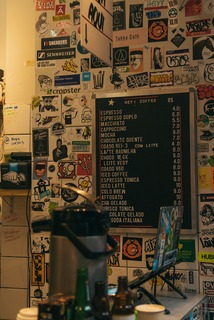
A menu uses words and images to symbolize food and drinks, each item on the menu represents a different food or drink and what it contains. This provides people a way to decide what they would like without having to try or see the food or drink. It also lets people view the cost of each item before purchasing. Menus often have categories to group similar items together like appetizers and entrees making it easier to navigate. They can help people make informed choices and find items within a set budget. A menu design can also help people understand what kind of establishment they are in, as a fine dining menu would differ from a deli menu design. A menu representation is mostly accurate, sometimes a menu will have items on it that a restaurant does not have leading to misinformation. However, a menu is still mostly successful in its representation of culinary offerings.
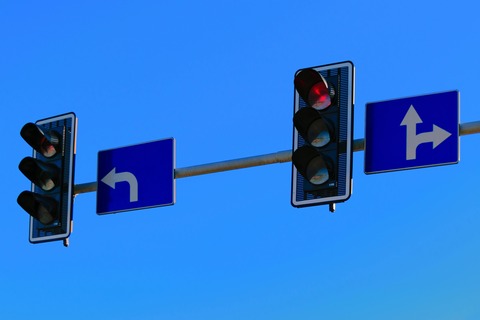
A traffic light has three colors that all represent an action. Red to stop, green to go, and yellow to slow down or prepare to stop. All of these colors are universally understood to mean these instructions even though they don’t have meanings on their own. These instructions are recognized almost everywhere which helps with traffic safety and speed. Ordering of the lights also helps people anticipate what comes next in the sequence. Traffic lights can offer a complex set of instructions through a simple design. They are very effective in their representations and don't often lead to misleading information. I would say they are successful in the representation of traffic instructions.
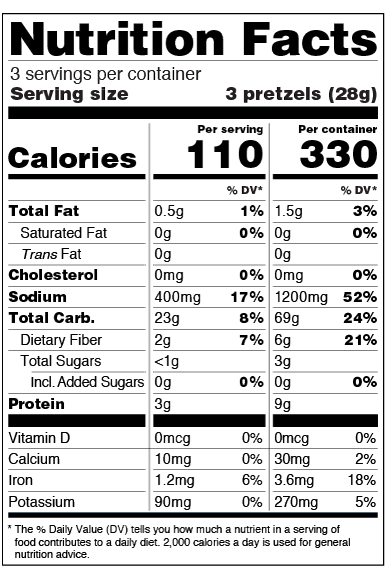
Nutritional facts show data on the nutrients contained in packaged food. This helps people gauge the nutritional value of prepackaged food and can compare it to other options. They typically have a standardized format and include a serving size for reference. This can help people make informed decisions about what they are eating. They have to be compliant with food labeling regulations to make sure you know what you are consuming. They visually use charts and include the recommended daily amount or percentage of each item. Nutritional facts help translate complex dietary information into easily understandable information. They are very accurate to what they represent due to food laws and don’t contain misleading information making them very successful in their representations.
A menu can be classified as an icon. An icon is a sign that is seen as imitating or representing an object and generally looks, feels or smells similar to what it’s representing. A menu most often has images of the food or beverage and always has descriptions. These directly reflect what a customer would be receiving if ordered.
A traffic light can be classified as a symbol. A symbol is a sign that represents something through an agreed upon meaning. A traffic light uses green, yellow, and red, to signify different instructions to drivers. Even though none of these colors have a direct meaning on their own, their ordering in the light as well as their colors let drivers know when to go, slow down, or stop. People have agreed that each light has these meanings to help keep traffic flowing and safe.
Nutritional facts can be classified as an icon. An icon is a sign that represents something directly through sight, touch or smell. Nutritional facts contain lots of visual charts, tables, and percentages of the nutritional content of the food. This can help people visually see how much of something is in the food they are eating.
A menu could be fully removed from reality and considered a simulacrum because it represents an experience within food and dining that goes further than what's just listed. A menu represents an experience by suggesting what will be offered but does not contain the actual food or beverage. This works with Baudrillard's first step of removal reflection as the menu reflects what may be provided. A menu can then mask what it contains by highlighting certain options above others or providing more appetizing descriptions creating a more idealized version that may distort a person's choice. For the third step of absence, a menu could be missing items that are offered or provide false information such as “world’s best” in descriptions of food or even have false sales or prices. This calls into question if any of the menu is even true or if certain items even exist. In the final stage, we could look at a menu of a restaurant that doesn’t exist anymore so it is impossible to order anything. Or we could look at a dish on a menu so far modified and changed for aesthetic purposes that it is nothing like what the customer is expecting.
A traffic light can be partly removed from reality using Baudrillard’s steps of removal. It represents safety and reflects assigned meanings with the colored lights that expand past their original purpose. A traffic light could mask its true meaning if there is a power outage and it no longer works, or if a light is programmed incorrectly somehow and displays the wrong lights at the wrong time. This could cause issues with the safety and trust that has been placed in this system.
Nutritional facts could be fully removed from reality and considered a simulacrum using Baudrillard’s steps of removal. Nutritional facts reflect basic reality by showing essential facts of food such as calories, fats, and proteins, that reflect the actual content of the food. This helps people make informed choices when buying and consuming food. They can mask their true meaning by emphasizing certain aspects of the food over others such as highlighting low-calorie and high protein while obscuring high sugar or fat. This can distort someone's views on what they are consuming. For the third step of absence, a nutritional label could be used to promote trending diets such as keto or paleo or overall health and wellness rather than just saying what the food contains. Finally, nutritional facts could exist without any connection to food providing detailed information on something that doesn't exist. Or consumers may put healthy eating trends above actual content or enjoyment of food causing nutritional facts to be a representation of health rather than the food itself.
I visited West Virginia this weekend and decided to do my project there. I observed from a popular hiking location close to Snowshoe Ski Resort called Shavers Lake Trail. I observed at the start of the trail (20 minutes), during the walk of the trail (about an hour), and at the end of the trail which ended at a fire tower that you could climb up (40 minutes). The time was between 10 am and 1 pm on 10/19/2024. The weather was chilly with some portions of the trail having snow.
Eleven people passed me while I was observing at the start of the trail. It was a small, almost hidden path off the side of what looked like construction on the road. As you entered the path and went into the woods the environment immediately felt different, the trees covered the sunlight having it shine through the leaves. The lake was visible straight ahead and was extremely still with mist forming on top from the recent weather change. The ground was a mixture of spongey moss and dirt and you could see many roots overlapping from all the trees. Straight ahead were trees on the side of a mountain we were about to climb up leaves were changed to bright autumnal colors. You could still hear sounds from the road next to the trail as well as the birds and other creatures in the woods. It smelled fresh and crisp. 6 people of the 11 stopped to take pictures of the views while the other 5 rushed ahead either on or off the trail.
I ran into only one group of two people on the way up the trail. The climb was long and quite steep at times, the ground was an uneven mixture of moss, dirt, rocks, roots, leaves, and wooden bridges made to cross small streams. The trees were tall and changing colors and the plants were plenty and bright lush green. The trail was covered in shade by the many trees limiting the sunlight and portions were covered in snow that had previously come. All you could hear was noises made by me, animals, insects, or the small streams. The water sound that was throughout most of the hike was very soothing and had me wondering if it would be less intense without all the recent snow melting. It smelled like water and a little bit of mud and the air felt sharp from the cold. The two people were walking their dog and on the way down from the trail. They seemed tired and also cautious while their dog seemed to have all the energy in the world practically pulling them down the steep incline. They stepped to the side to let me pass and exchanged a thank you. They didn’t notice or didn’t acknowledge me slowly going up the trail while writing in a notebook. I think it is interesting the amount of things that the average person either ignores or doesn’t notice either to preserve social norms or are simply just not interested.
I saw 8 people at the top of the trail by the fire tower. The fire tower sat in a clearing on the top of the mountain in between tall evergreen trees. The sky was clear and bright blue with the temperature feeling much warmer compared to the covered trail. There were puddles in the dirt next to the patches of snow along with some patches of grass and leaves. The fire tower was made of metal and wood and had narrowing stairs as you got higher. The top had a roof and lots of graffiti with things such as “Jake was here” along with a date attached. I counted 10 from 2020, 6 from 2018, 2 from 2011, 9 from 2022, 4 from 2024, and 7 from 2023. The views from the top were of surrounding mountains covered in trees in the middle of changing colors, the ski resort I was staying at along with the ski lifts, and a small nearby town. You could hear people talking, a steam train in the distance whistling, and birds in the trees. The air smelled metallic and like warm chicken noodle soup from a couple having a picnic at the top. 6 people went to the top while I was there and 2 stayed at the bottom. Of the 6 only 2 spent more than five minutes at the top. I think it’s interesting to put lots of effort into getting to the fire tower without spending lots of time there or even not going up at all. To me, it was the reward of the long trek but others must enjoy the journey or different views from below.
We met online on Wednesday Oct 23th at 4pm the group members present were : Charlotte Oshtry, Adria Applebee, Agustin Gonzalez, Adrienne Badgett-Campo. We read Litia Perta’s “Writing Bodies Against Curation”
1. If knowledge is not something you cannot hold and own or sell and trade, then what would be considered as valuable knowledge?
2. How does Perta’s critique of traditional curation challenge our understanding of cultural preservation?
3. What role does empathy play in the process of curation, according to Perta?
4. How does the author differentiate between critiquing the existing system and taking action to dismantle it?
5. What does the idea of “losing your grip” mean for curating and designing?
6. What role does joy play in the author’s vision of art and community, and how does it contrast with traditional notions of artistic expression?
This week I attempted to do “nothing” a few times. I found it a bit challenging as someone who has ADHD to sit still and simply exist but tried my best to do as little as possible.
I began with 8 minutes which doesn’t sound like a long time until you are sitting there trying not to do anything. I struggled a bit and the time felt like it was dragging on. I tried my best to not think about tasks such as homework or housework that had to be done but my mind did race a little with thoughts of such. I found myself checking the clock quite often and decided to try again later in the day. My second attempt went better as I was a bit more tired from the day and had already completed some tasks but then I found myself counting my breaths and realized that yet again I was not doing nothing. However, this attempt did go much better than last time and I made it through the entire 8 minutes.
I tried another day to sit for 16 minutes it went quite similarly to doing nothing for 8 minutes but this time I found myself observing my surroundings much more. I heard lots of sounds I normally tune out of the city and my neighbors in my apartment complex along with the sound of my own breath. I found that when I focused on my breathing it was much easier to sit for longer periods. I was able to do 16 minutes on the first try unlike the 8 and found that once you get over the initial hurdle of starting it got easier. That was until I tried to do nothing for 32 minutes
I was not quite able to complete the full 32 minutes of doing nothing and reached a limit of 22 minutes. I struggle already quite a bit with sitting still and the day I chose to try this task I was feeling extra restless. The 8 minute mark felt like nothing at this point though so I was glad that I had improved from where I started. I ended up trying three times to do nothing for the full 32 minutes and every time I would get a little closer but all ended around the 18-20 minute mark. I would reach a point where I would almost zone out and then find myself fidgeting or losing my train of thought and would have to try again later. I made sure to give myself breaks in between attempts to maybe help but I still struggled with this task.
I did find that nothing truly isn’t nothing as I felt very grounded and connected to my environment around me and did feel quite relaxed after even if I didn’t go for as long as I wanted to. It was interesting that what I counted as failing, in the beginning, was just part of the process, and doing “nothing” is a great way to reflect on the world around us.
We met online on Wednesday Nov 6th at 4 pm the group members present were: Charlotte Oshtry, Adria Applebee, Agustin Gonzalez, and Adrienne Badgett-Campo.
1. In what ways could Jane Jacobs be considered a designer?
Jane Jacobs can be seen as a designer because she helped shape how cities should be built. Even though she wasn’t trained as a designer, she focused on making cities work better for people. She believed in having mixed-use areas, where people could live, work, and shop close together, and that public spaces should be safe and busy. She also argued that local communities should help decide how their neighborhoods are developed. Jacobs worked to protect older neighborhoods from being replaced by new buildings and her ideas still influence how cities are designed today.
2. What were three (3) methods/tactics used by Jane Jacobs in her work to save Washington Square Park?
Three methods/tactics used by Jane Jacobs in her work to save Washington Square Park was community mobilization, she encouraged local residents to become politically active and emphazied the importance to stand up for their rights to protect the park. Media attention, Jacobs used her voice and writings to raise public awareness about the threat to Washington Square Park. She worked to frame the issue as a community matter, and through media outlets and public discourse, she helped build widespread support for preserving the park. Lastly she directly opposed the plan to build a highway through the park and engaged with city officials, and led public protests to present a case against the project to help stop it.
3. Identify and name similarities between the movie and the text. Identify and name differences between the two.
Both the movie Citizen Jane and the “Spirit of Liberty” speech focus on being active not only in your civic duties but your civic rights as well. Both have strong ties to democracy and both make points about how the people should stand up to those trying to exploit others for money and profit. The differences between them include when they were made and addressed, the focus of them, and also scale. Citizen Jane occurred in the 60’s while the “Spirit to Liberty” speech was in 1941. The focus of Citizen Jane was about local community activism, meanwhile; the speech given by Judge Learned Hand was about international freedom and human rights. The scale of the two is also a big difference. One was more community and small scale government, while the other was about international and worldwide democracy.
4. Based on watching the movie and reading the required text (or one of the alternative texts provided), what is the role of the individual in a democracy? (Specifically, cite the reading in the response).
Both the movie Citizen Jane: Battle for the City and Learned Hand’s "Spirit of Liberty" speech underscore the idea that the individual plays a central role in the preservation and health of a democracy. Through their respective lenses, it is highlighted how personal responsibility, civic engagement, and vigilance are essential to protecting democratic values. Jacobs shows that individuals can resist unjust policies and act as powerful advocates for their communities. Similarly, Hand argues that liberty depends on the individual's moral commitment to democratic values. “Liberty lies in the hearts of men and women; when it dies there, no constitution, no law, no court can save it"(Hand, 1944). In both works, the role of the individual in a democracy is portrayed as essential.
Letters made by hand using a tool such as a pen, pencil, or marker. It is personal as each persons handwriting is different and can’t be produced by digital means.
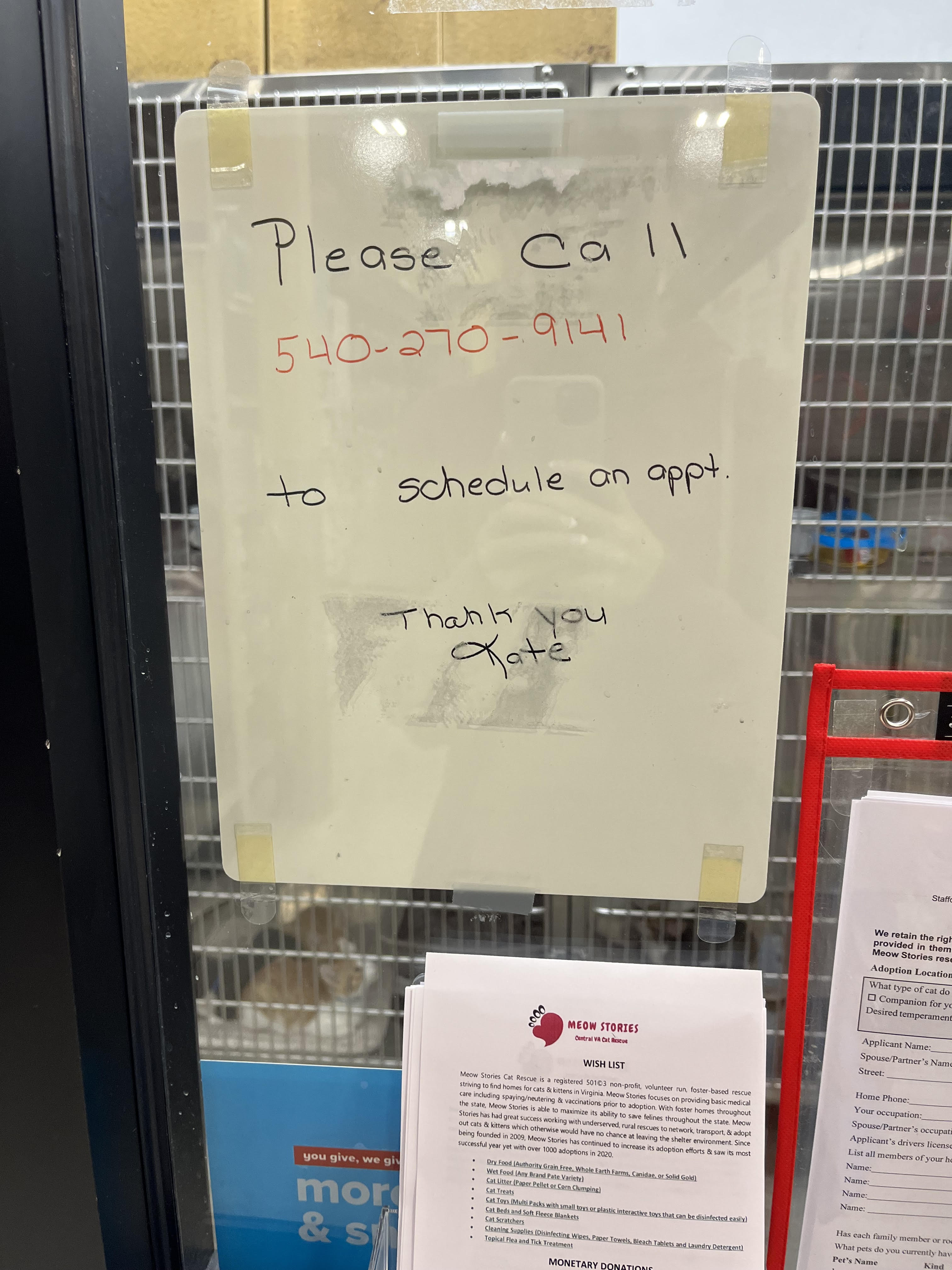
Writing on a white board. This qualifies as writing because it has handcrafted letterforms made with a tool and can be informal, spontaneous, and in this case temporary. While some white board signs could be considered lettering this photo shows it used as just a simple sign displaying a phone number in handwriting.
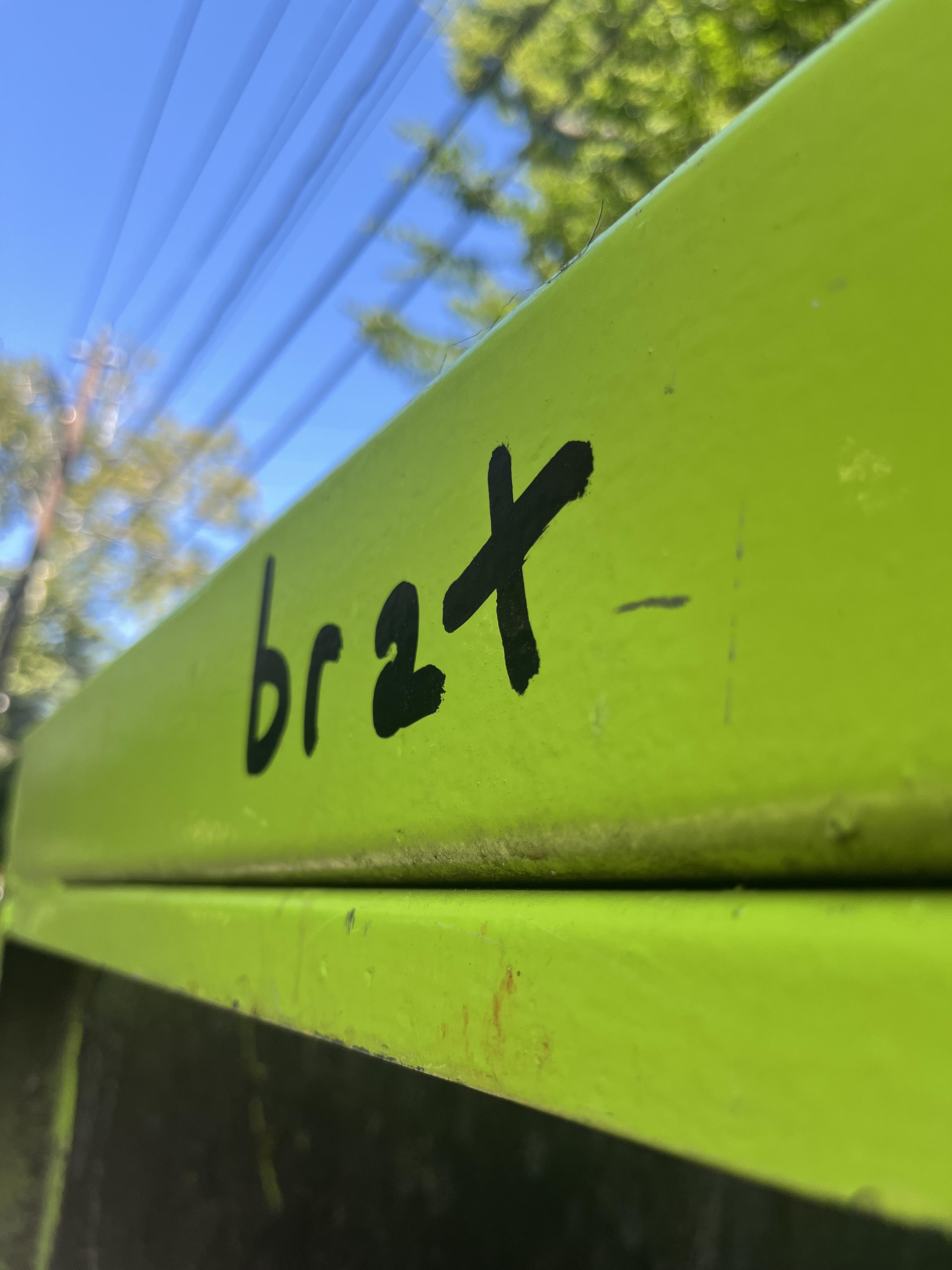
Graffiti. This qualifies as writing because it has handcrafted letter forms using a tool and can be informal and spontaneous. Like handwriting it can show off a persons individualism and is often temporary. While some graffiti can definitely be defined as lettering this photo shows simple writing of graffiti on a dumpster.
Letters that are drawn or crafted for a specific purpose with attention to form and style.
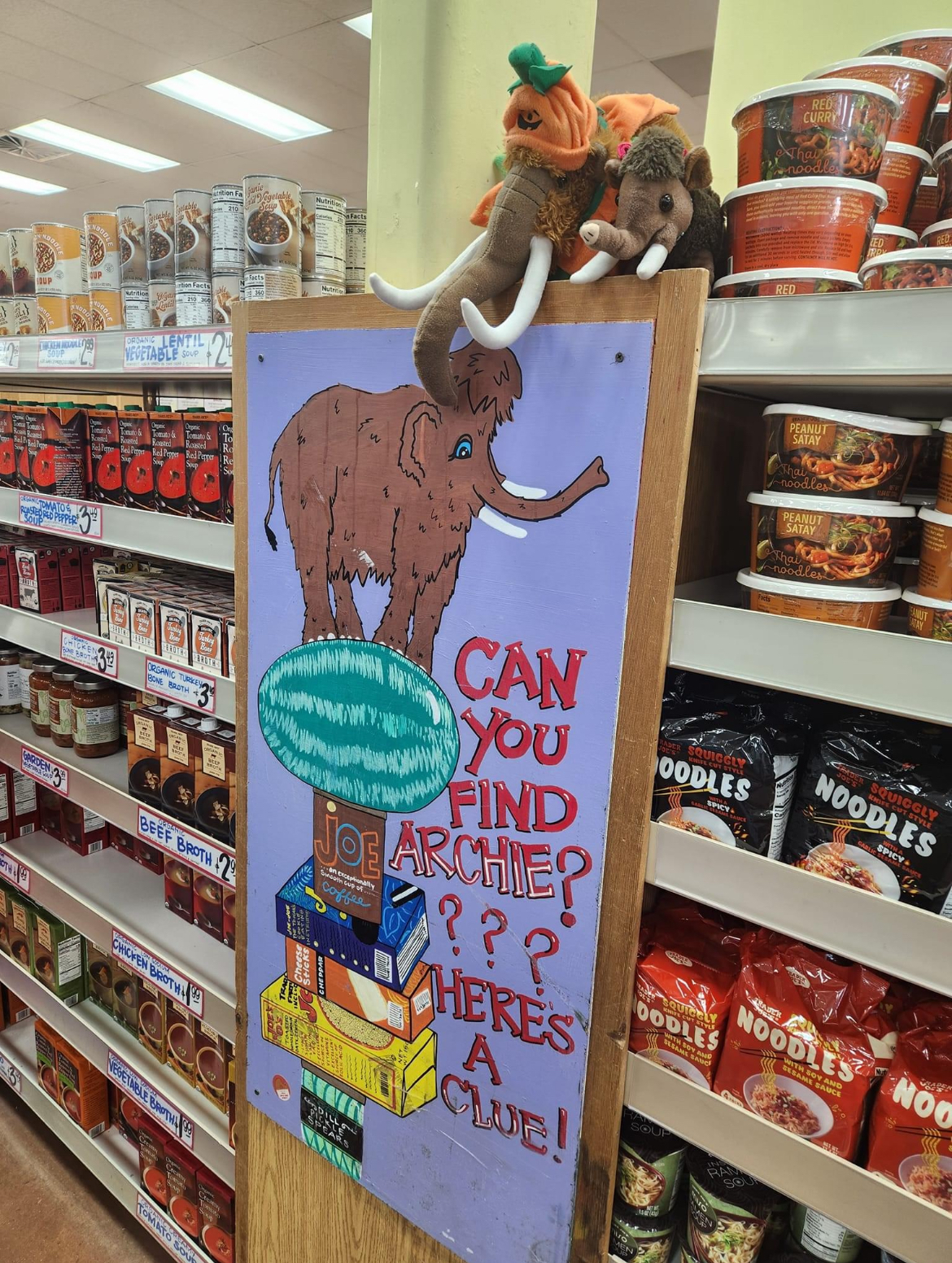
Chalk board sign. This qualifies as lettering because the letters are hand drawn and designed with a purpose of advertising a fun scavenger hunt around the store. There is a large focus on form and style and the sign is arranged in a way to convey a message.
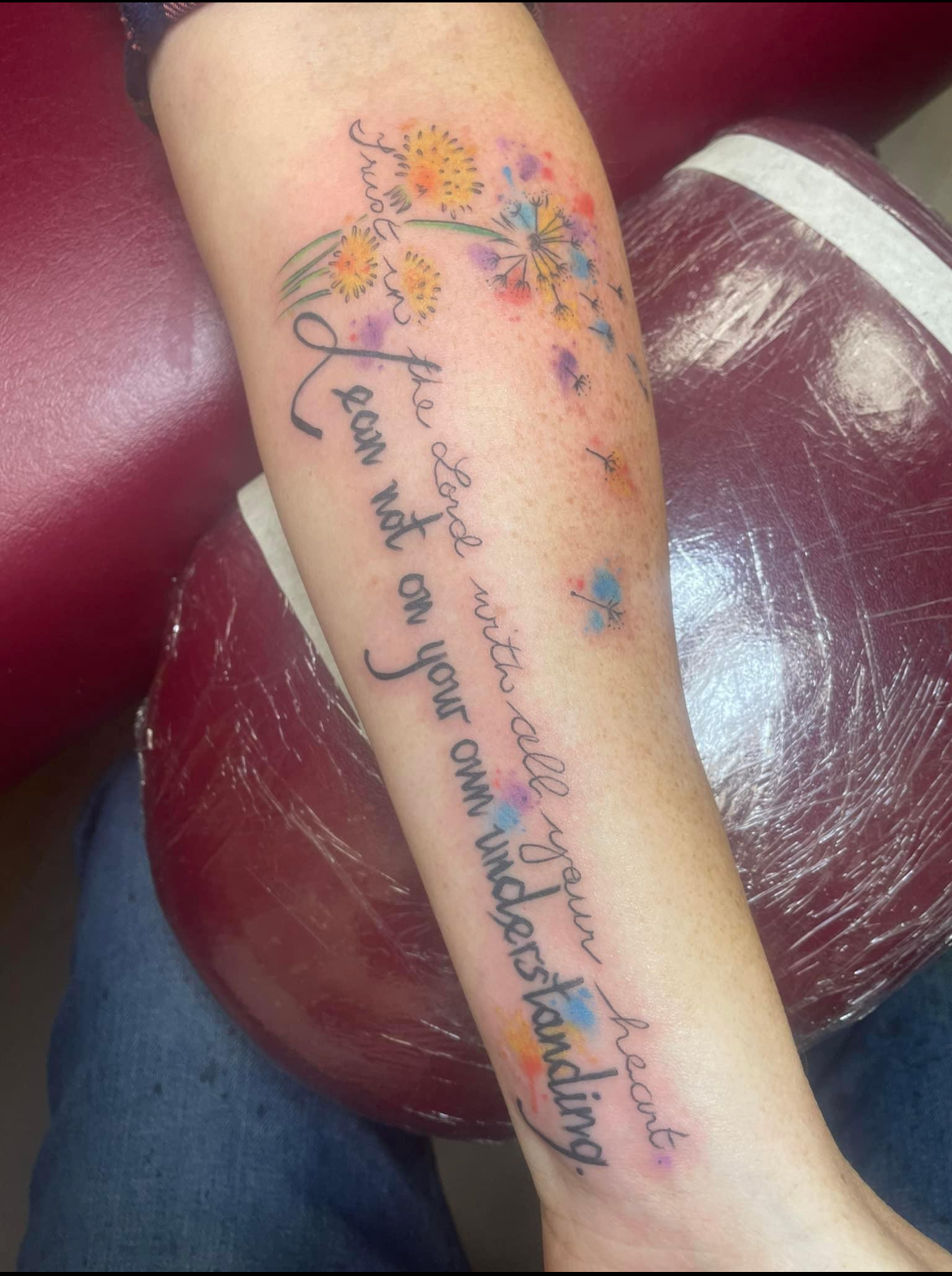
Tattoo lettering. This qualifies as lettering because the letters are hand drawn and designed for a specific personal purpose. The artist can customize the style, size, and placement to match each individual and focuses on the form and style. Tattoos are carefully designed and placed on each person making them lettering.
The use of pre made typefaces to set text in a specific layout. It is made mechanically or digitally and is used in both mass production and digital spaces.
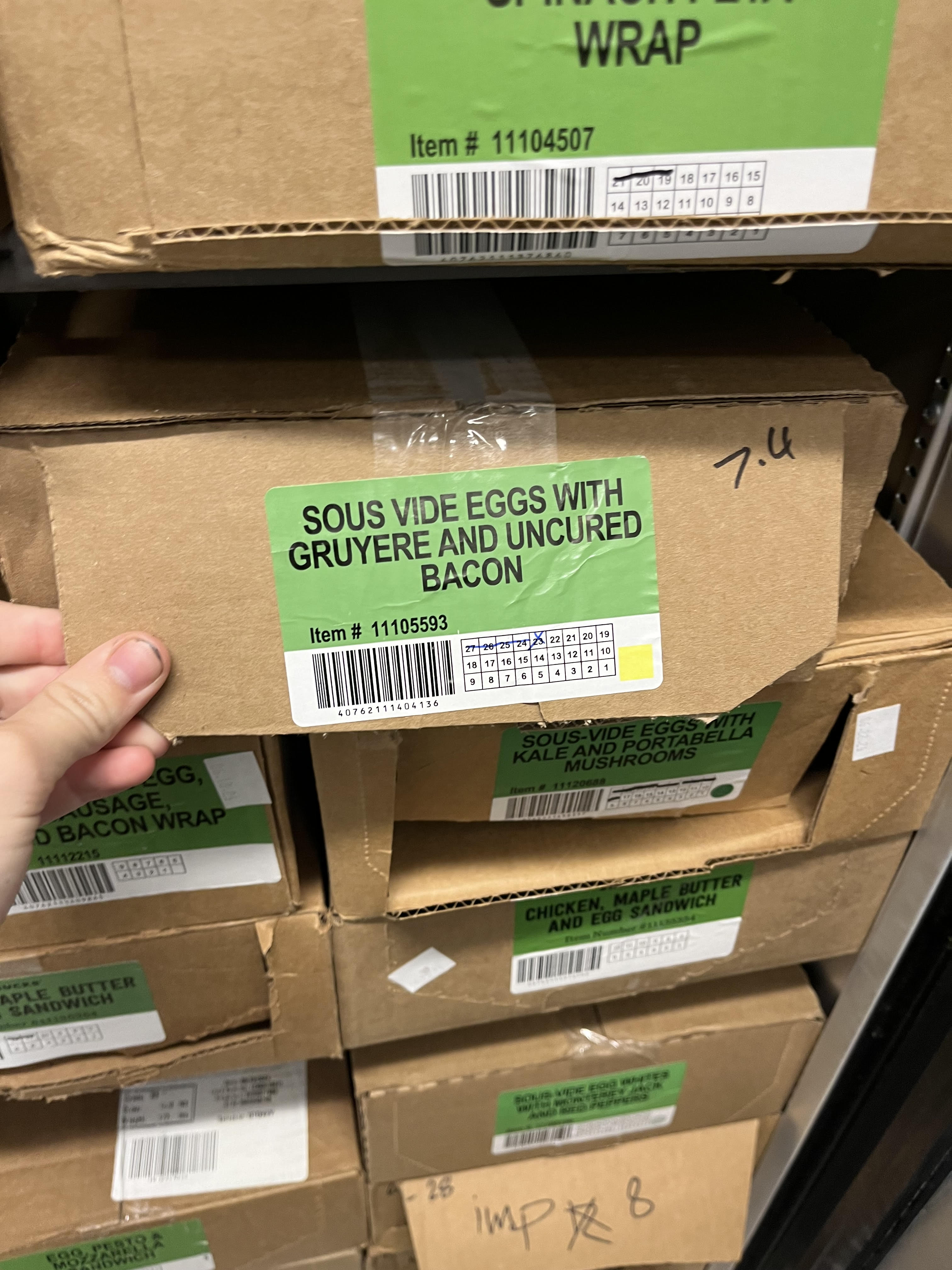
Labels. This qualifies because it uses a pre designed typeface that is produced mechanically or digitally in mass production. The label is in a specific font and layed out in a certain way to convey information. There are many labels just like this one and it communicates the information clearly
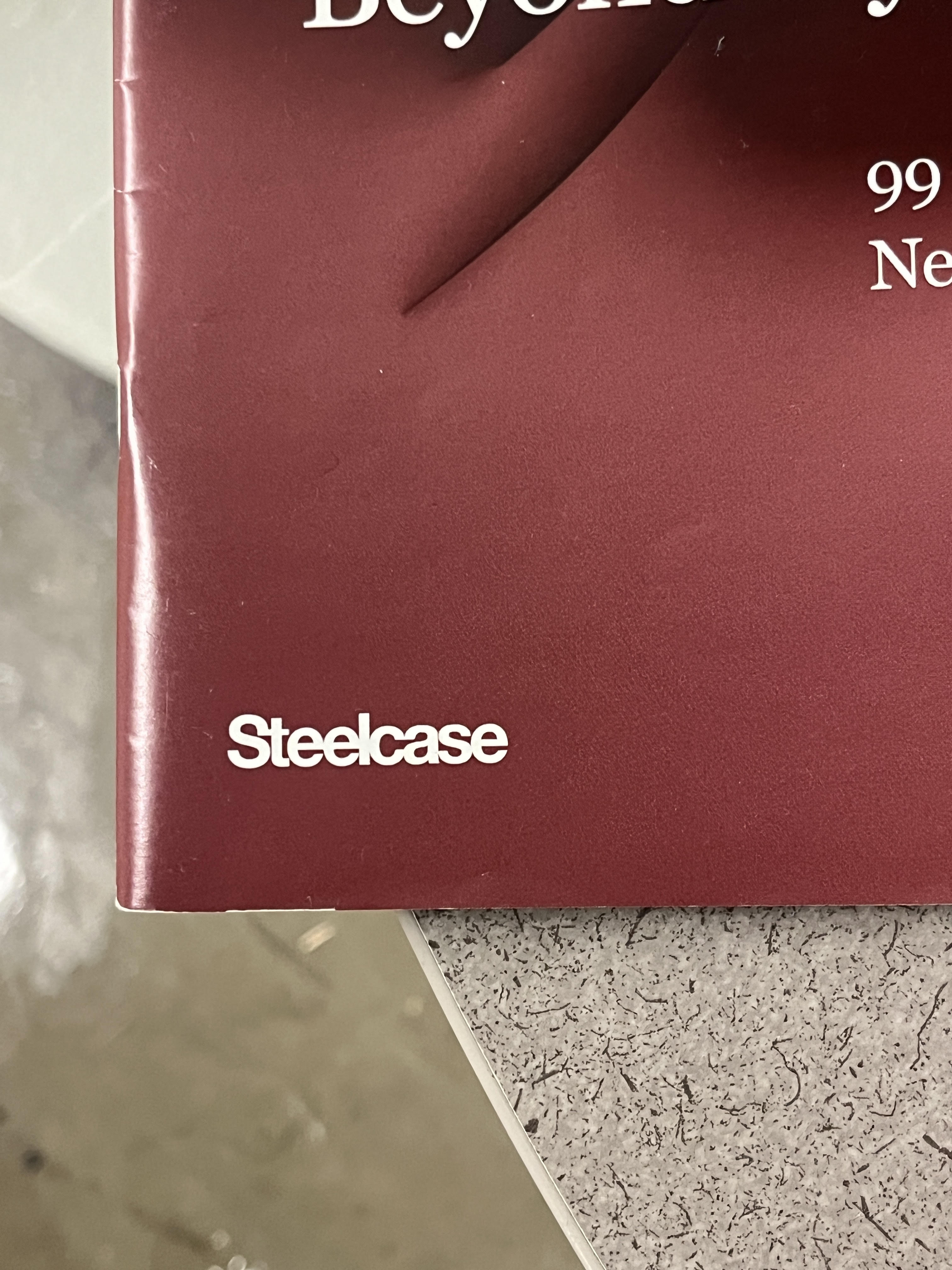
Logos. This qualifies because it uses a pre designed typeface that is produced mechanically or digitally. Not all logos qualify as typography but this one only contains the typeface and no hand made elements making it typography.